Building a Second Brain With AI Assistance
AI can now distill your notes automatically, solving the step where most second brains fail.
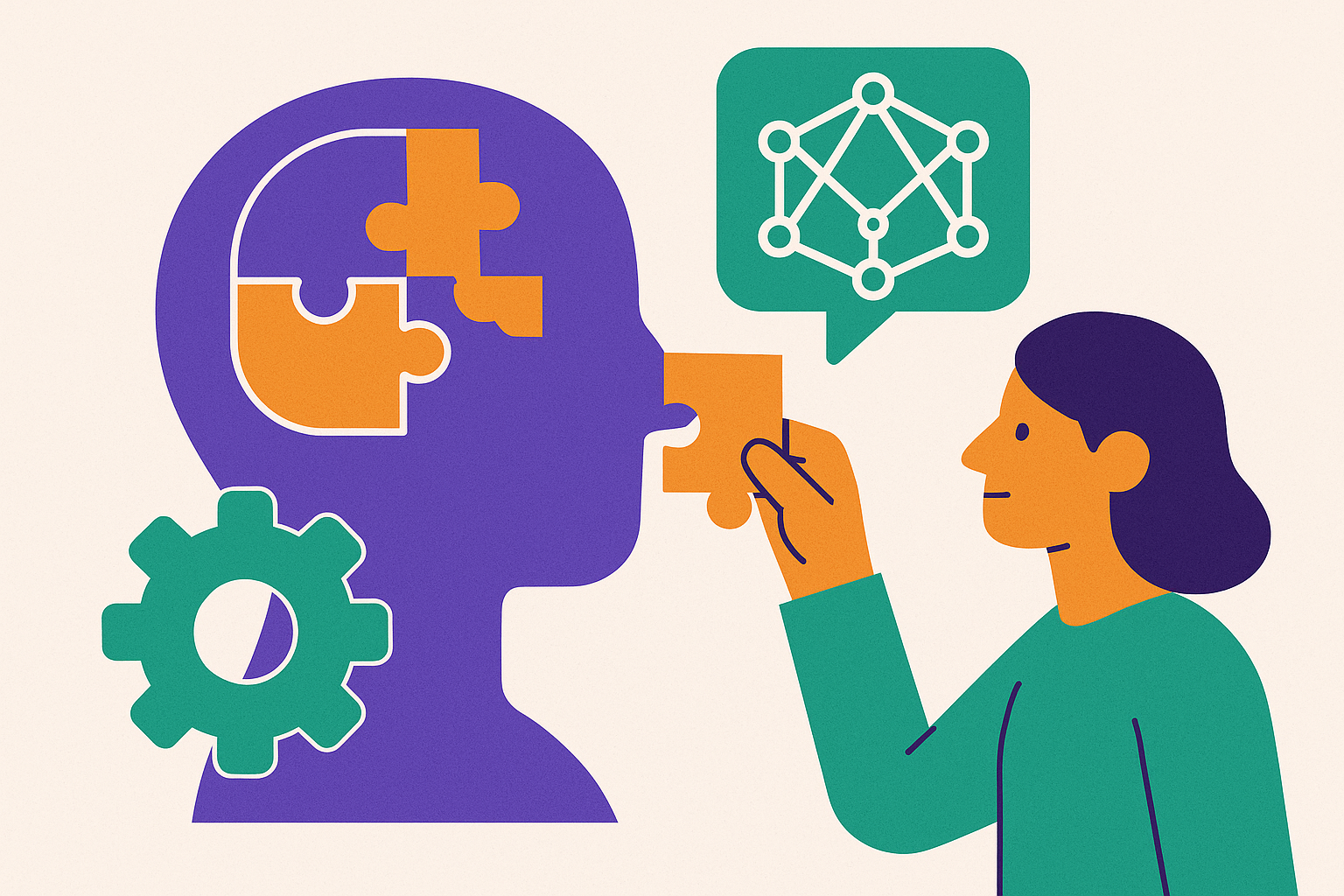
Tiago Forte didn't build his methodology inside a consulting firm. He got sick. A chronic illness in his twenties forced him to start externalizing his memory to digital tools just to function day-to-day, and the framework that eventually became "Building a Second Brain" grew directly from that necessity. I mention this not as a warm opener but because it explains something about the framework's texture: it has a practicality you don't find in systems designed in the abstract, by people who never actually needed them.
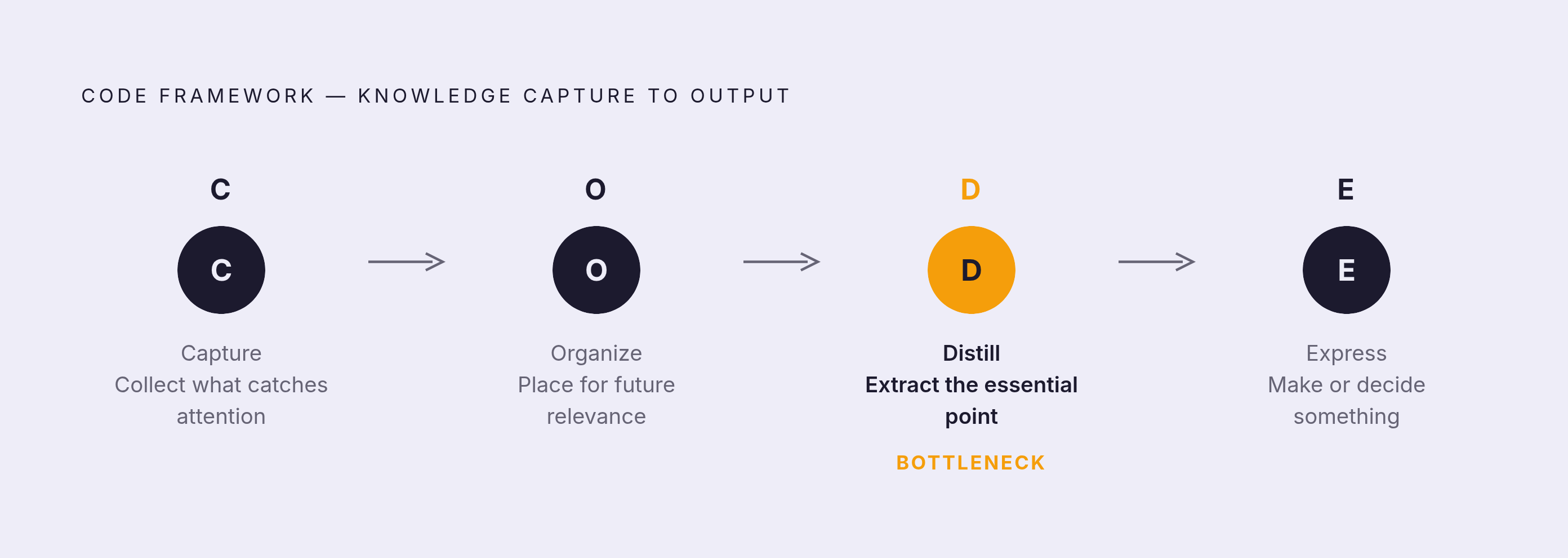
The core premise is blunt. Your biological brain is for processing and creating, not for storing. Offload storage so you can focus on synthesis, decisions, and expression. The organizational system he proposes is called CODE: Capture, Organize, Distill, Express.
Capture is collecting anything that catches your attention before it disappears. Organize is placing captured material where you'll find it when it becomes relevant, not just where it fits right now. Distill is extracting the essential point so future-you doesn't have to re-read the whole thing to recover the idea. Express is actually using the knowledge to make something or decide something.
Beneath CODE sits the folder architecture he calls PARA: Projects (active work with a defined outcome and deadline), Areas (ongoing responsibilities with no endpoint), Resources (reference material on topics you care about), and Archive (inactive material you're not ready to delete). The organizing principle is actionability, not topic. A folder labeled "Marketing" just accumulates material indefinitely. A folder labeled "Q3 Campaign Launch" has a natural lifespan, which means it also has a natural gravity pulling you to act.
The book and its companion, "The PARA Method," have together sold more than 500,000 copies. The original online course trained over 6,000 students across more than 70 countries. So the methodology clearly found its audience.
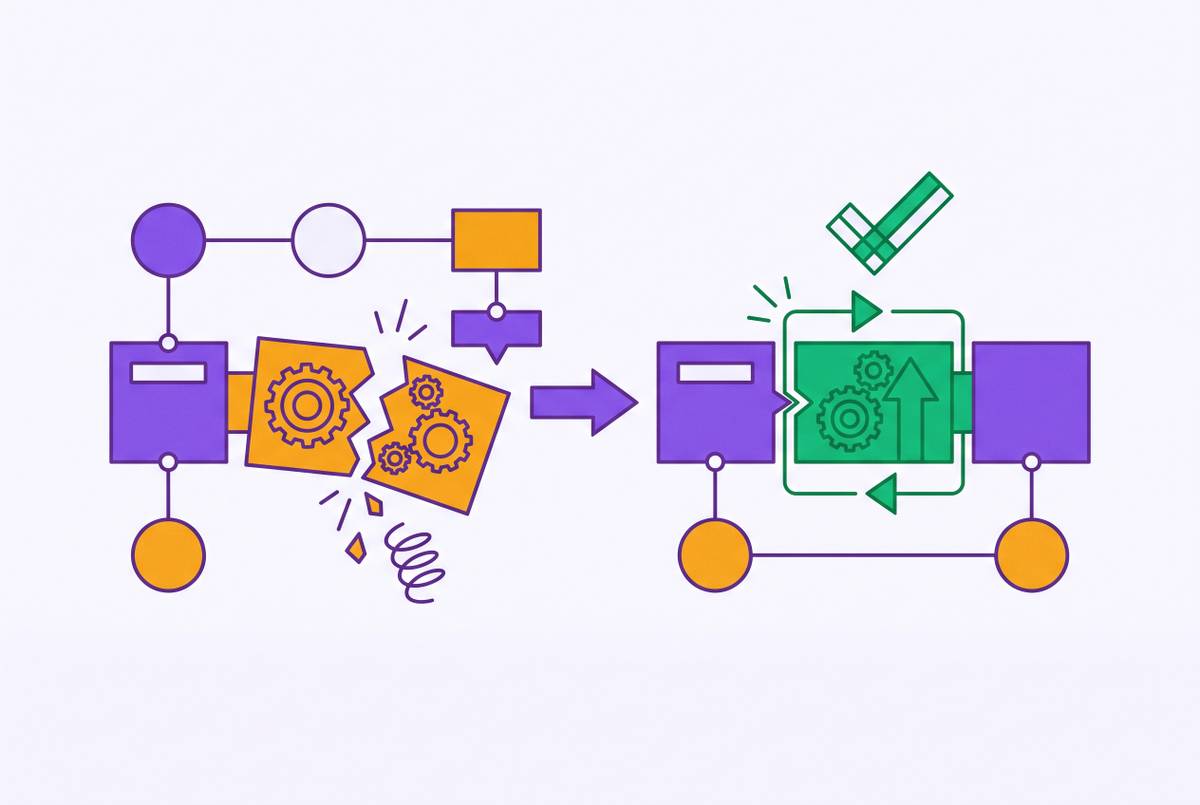
Here is where I want to slow down, though, because Distill is the step almost everyone quietly abandons. Capture is frictionless; you can do it from a browser extension in two seconds. Organization can run on autopilot once you've set up the folders. But Distillation asks you to sit with a piece of information, decide what it actually means, and write that meaning down in a form your future self will recognize at a glance. It demands sustained effort with no immediate payoff. Most second brains stall here. They become archives: captured, stored, and rarely touched. Reference shelves gathering dust in whatever app you happen to have open.
That bottleneck is precisely where the conversation about AI becomes interesting.
The Specific Step AI Changes, and Why Distillation Was Always the Weak Link
The first wave of AI in notes apps did not change the underlying structure of the problem. A chatbot that answered questions about the single page you were already reading was useful in a narrow sense, but it wasn't a structural intervention. It was faster search within a single document.
What has actually changed is that AI can now operate on your entire file system, autonomously, without you directing it page by page. Tools like Claude Code, Anthropic's agentic system running in a terminal, can read, write, and modify files across a whole notes folder. That is a different category of capability. The shift is from AI as a writing assistant sitting beside your work to AI as an agent moving through your knowledge base, and that distinction, which sounds purely technical, plays out concretely every time you ask a question and get back an answer grounded in your own past thinking rather than in the model's frozen training data.
The clearest signal that this shift is structural rather than cosmetic came from Forte himself. After training thousands of students over six years on the manual methodology, he paused his original curriculum when ChatGPT arrived in late 2022. His stated reasoning: the technology had changed too fundamentally to keep teaching the same methods. His new program, "The AI Second Brain," launched its first cohort in April 2026.
When the person who built the framework pauses it to rebuild it, that's worth sitting with.
What this means for the underlying architecture: PARA doesn't become obsolete when AI enters the picture. It becomes more necessary. AI needs organized context to work from. A well-structured archive is now an input layer, a navigable set of instructions an agent can act on, not merely a reference shelf you occasionally consult when you remember it exists.
How Retrieval-Augmented Generation Connects Your Notes to a Reasoning Engine
The specific mechanism worth understanding is retrieval-augmented generation, RAG. Most people skip it because the name sounds technical. The core idea isn't complicated, and it matters for understanding why AI retrieval is categorically different from keyword search.
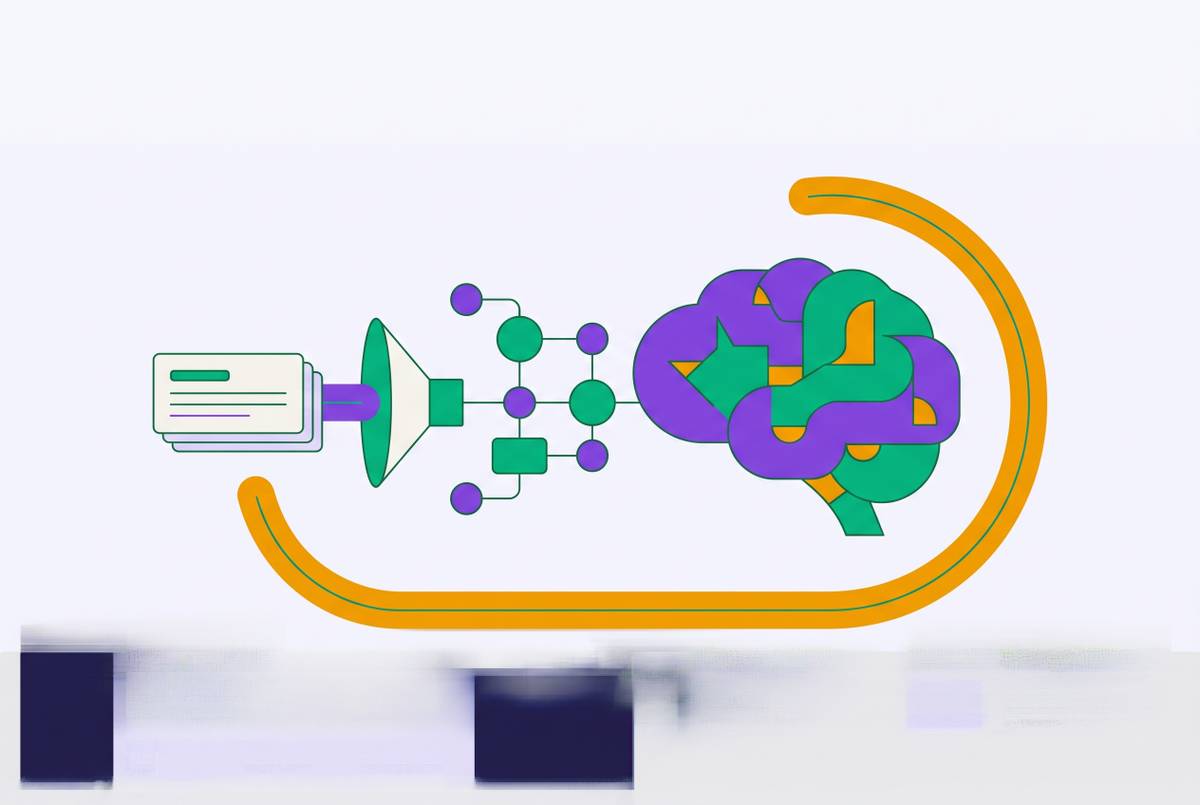
Three steps. First, embedding: each note gets split into chunks, and each chunk gets converted into a vector, a numerical representation that captures meaning rather than just words. Notes on related topics end up numerically proximate to each other regardless of whether they share any specific keywords. Second, retrieval: when you ask a question, the system pulls the chunks whose meaning is closest to what you're asking. Third, generation: the AI produces an answer grounded in those retrieved chunks, not in its general training data.
That semantic orientation is where the practical difference lives. A note about "Q3 pricing decisions" can surface when you ask what you agreed on with the enterprise tier, even if those exact words never appear in the note. You're searching by meaning, not by string matching.
RAG handles exact factual recall well. "Which library did I choose for PDF parsing, and what was the alternative I rejected?" is the kind of question it answers with high confidence, because the answer sits in one or two clearly bounded chunks. A general-purpose language model without RAG operates on frozen training data with no memory of your specific decisions, your particular context, your actual situation. Your second brain is the storage layer that changes that.
RAG does not fix synthesis across dozens of loosely related notes, or questions where the answer is implied by a pattern distributed across your archive rather than stated explicitly anywhere. For that kind of inference, the quality of the underlying organization still matters. A well-structured set of notes produces a well-grounded answer. A folder of half-finished, undated, untagged captures produces noise. The technology amplifies whatever you built underneath it, which is either an encouraging or a sobering thought depending on what you've actually built.
What the Current Tool Landscape Actually Offers, and Where Architecture Matters More Than Features
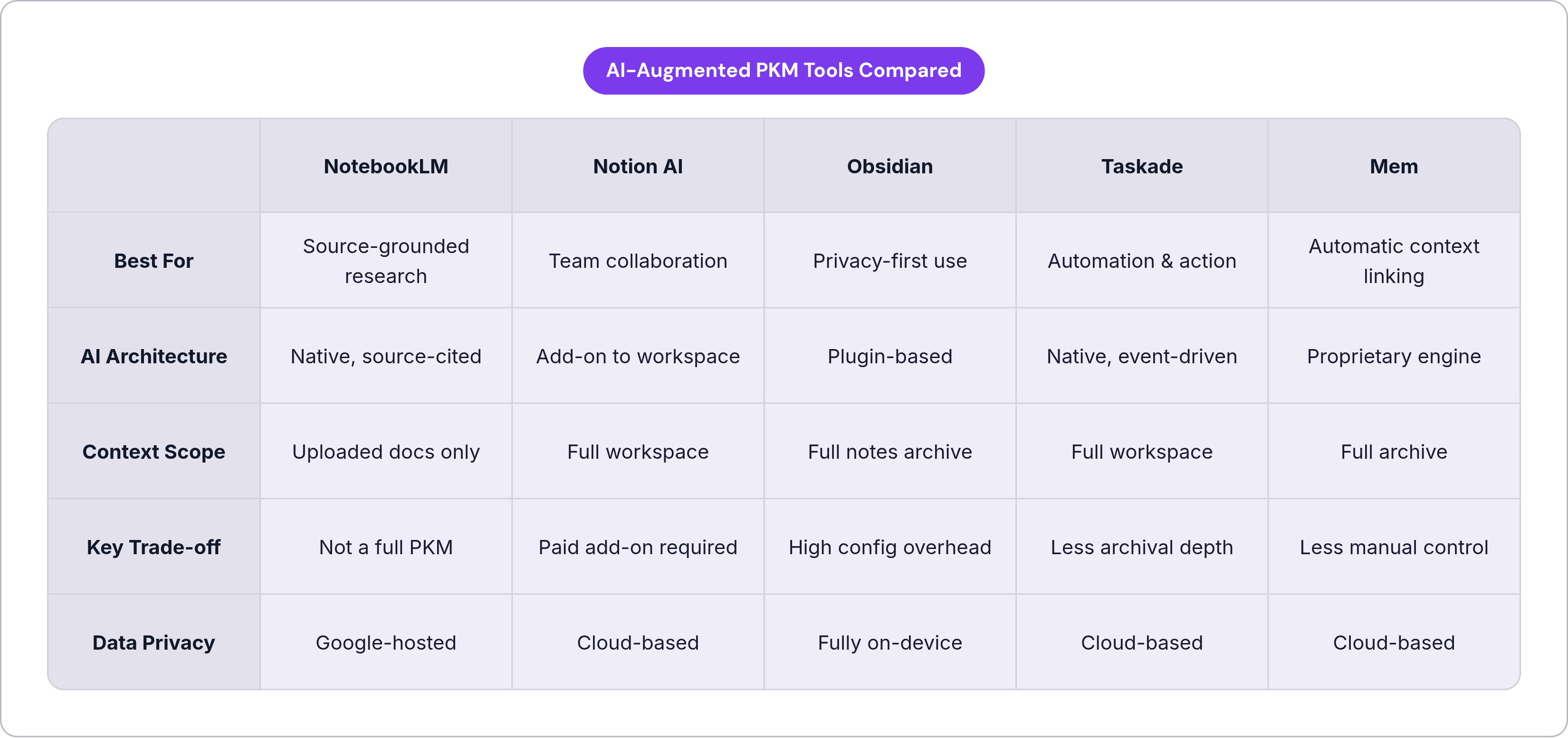
The market has fractured along a structural line that matters more than any feature checklist. On one side: AI capabilities bolted onto existing platforms, where AI typically operates per-page or per-database. On the other: AI-first tools where full-workspace context is available by default. That architectural difference is the thing to look for before you start comparing feature lists.
NotebookLM is currently the strongest option for source-grounded research synthesis. Upload documents, get answers cited back to the source, free with a Google account. Its real limitation is scope: it's not a full second brain. There are no project canvases, limited cross-modal capture, and it was built for bounded research tasks rather than ongoing knowledge accumulation. For its specific use case, it's the best available option. Just don't expect it to be something it wasn't designed to be.
Notion AI sits inside the most widely deployed productivity platform, with 30 million users as of 2025. The AI layer summarizes pages, answers questions across a workspace, and drafts content. The practical caveat worth noting is that the AI capability is an add-on, excluded from the free tier, and it performs best when the underlying Notion workspace is already well-organized. It amplifies what you've built; it won't compensate for what you haven't.
Obsidian has over 2 million active users as of 2026. Every byte stays on-device, making it the right choice when data privacy is genuinely non-negotiable. AI capability arrives through plugins, with Smart Connections enabling semantic search and conversational querying across your full notes archive. The trade-off is configuration overhead: AI quality here depends entirely on which plugins you set up and how consistently you maintain them. It rewards people who like to tinker and punishes those who don't.
Taskade is the most agentic of the current options, with built-in automations triggerable by events: a note tagged urgent routes a summary to Slack; a research document uploaded extracts key findings and sends them downstream. It's closer to an execution engine than an archive.
Mem runs its own proprietary engine for linking context and handles voice capture natively, which matters if you need to capture while moving. Its Agentic Chat feature answers questions from your full archive.
A simple frame: if action and automation are the priority, Taskade; if design and team collaboration, Notion; if privacy, Obsidian; if research synthesis, NotebookLM; if automatic capture and context linking, Mem.
The global personal knowledge management software market was valued at $1.8 billion in 2025. A separately tracked Personal Knowledge Base AI segment, valued at $2.16 billion in 2026, is projected to reach $6.15 billion by 2030. The AI-native slice is growing considerably faster than the broader category, which is its own kind of directional signal.
How This Plays Out at Team Scale: The Meta Case as a Worked Example
The individual knowledge problem, when it compounds across an organization, becomes expensive in ways that are surprisingly hard to see until someone measures them. McKinsey's research suggests effective knowledge management systems can reduce time lost searching by up to 35% and lift organization-wide productivity by 20 to 25%.
The Meta case from April 2026 illustrates something that doesn't show up in a product demo.
A Meta team built an AI second brain for knowledge workers using Forte's PARA structure as the organizational layer. The finding that mattered most wasn't about AI capability at all. It was about PARA itself. The structure that Forte designed for individual human note-taking turned out to be equally legible to AI agents. PARA communicated to the agent not just what information existed, but what was active, what was currently important, and where new material should be routed. An agent navigating a system organized by actionability behaves differently from one navigating a system organized by topic, and that difference surfaces directly in output quality.
The deployment reached over 63,000 installs across Meta's organizational structure, with roughly 10,000 daily active users. Nine discipline-specific packages emerged from the community, built for product managers, engineers, designers, data scientists, and others. Integrations for automated meeting processing, career development tracking, and visual reporting were layered in over time.
What the Meta case illustrates beyond its scale is something conceptually interesting: the individual discipline of organizing by actionability produces dividends that extend outward. A well-maintained personal knowledge structure becomes a shared context layer that AI agents can navigate reliably at team scale. The personal habit and the organizational infrastructure turn out to be the same thing, viewed from different distances.
For context on where most organizations currently sit: McKinsey's 2025 data shows 23% actively scaling an agentic AI system somewhere in their enterprise, with 39% experimenting but not yet scaling. Meta is ahead of the curve. The direction, though, is the same for everyone.
Where Second Brain Systems Break Down, With or Without AI
There's a failure pattern in personal knowledge management that practitioners sometimes call PKMS decay, and it's consistent enough to feel almost gravitational. A second brain starts strong. Material accumulates for a few months. The system grows large enough to feel unwieldy, regular review habits don't survive contact with a genuinely busy schedule, and the archive becomes too disorganized to query with any confidence. Eventually the person either starts a new system or abandons the practice entirely.
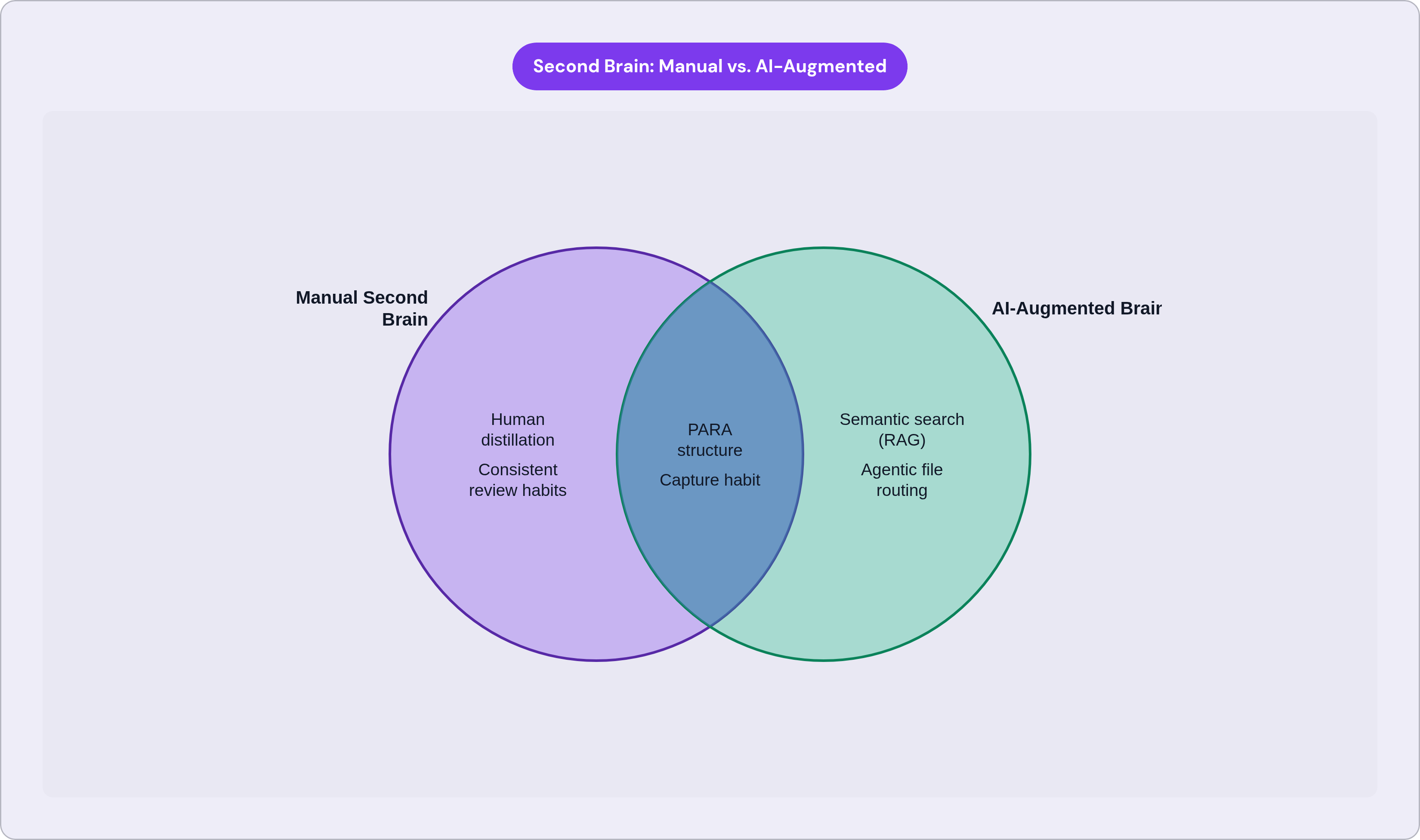
AI doesn't fix this. It amplifies structure, or the absence of it. RAG retrieval is only as good as the material it indexes. A notes folder of half-finished, untagged, undated captures produces low-confidence outputs and surfaced irrelevancies. An agent capable of routing new information into PARA categories still needs someone to have established those categories with real intention beforehand.
The capture trap deserves specific attention here. About 75% of professionals now use an AI note-taker in meetings, according to a 2025 survey from Fellow.ai. Capturing has never been easier, which means the bottleneck has moved further down the pipeline, toward distillation and review. The pile grows faster now. The review habit becomes more important, not less. The technology doesn't resolve the tension between accumulation and use; it makes that tension more visible, and more expensive to ignore.
A few failure patterns recur enough to name. Treating the tool as the system: switching apps every few months rather than maintaining a consistent organizing logic means the knowledge base rarely accumulates meaningful depth, because you keep starting over. Collecting without a retrieval habit: no regular review means context only surfaces reactively, when you remember to search, which is rarely the right moment. Over-tagging on input, under-using on output: elaborate taxonomy that nobody, human or AI, actually queries.
What AI meaningfully alleviates is the effort of distillation through summarization, linking, and surfacing; and the cost of retrieval through semantic search and RAG-grounded answers. What it doesn't eliminate is the need for a consistent capture habit, or an organizational logic that reflects how you actually work, rather than how you hoped you'd work when you set the system up.
A Practical Starting Point for Building an AI-Augmented Second Brain
Set up PARA categories, or a simplified version of them, before you add any AI layer. The organizing logic is what makes AI retrieval useful rather than noisy. This isn't the preliminary step you rush through to get to the interesting part. It is the step everything else depends on, and skipping it is the most common reason these systems disappoint people who set them up with genuine enthusiasm.
Choose your capture surface first, and keep it to one or two. Meeting notes are best handled by an AI note-taker that exports directly to your PKM, rather than a separate tool you manage in parallel. Articles and web content go into an inbox, not directly into a folder, so the act of organizing is decoupled from the act of saving. Voice capture, if you need it, is handled natively by Mem.
Add semantic search before you add agents. The largest immediate improvement comes from switching from keyword to meaning-based retrieval. Smart Connections handles this in Obsidian, Notion AI's Q&A feature handles it in Notion, and Mem and NotebookLM offer it natively. For someone with an existing second brain, this is the single highest-leverage change available right now, and it requires no rebuilding from scratch.
Use AI for distillation on a schedule, not on every capture. Weekly, ask your AI layer to surface notes related to active projects and flag anything unreviewed. Before a significant meeting or decision, query your archive for relevant past context rather than starting from memory. Both habits are small and schedulable, and they produce compounding returns in ways that are hard to see week-to-week but obvious when you look back over six months.
Let the use case drive the tool choice. Research-heavy work points toward NotebookLM for source-grounded synthesis alongside a full PKM for ongoing capture. Team coordination and automation point toward Taskade. Privacy-first individual knowledge work points toward Obsidian with Smart Connections. Lowest-friction full-workspace AI points toward Mem or Notion AI, depending on whether you prefer automatic linking or manual structure.
The measure that matters is not how much you've captured. It's how often your second brain surfaces something useful at the moment you actually need it. That gap between storing information and recovering it when it counts is real, it's structural, and it's now closable in ways that genuinely weren't possible three years ago. Whether it closes for you depends on what you build underneath the AI, not on the AI itself.