Human-AI Collaboration Patterns in Workplace Decision Support
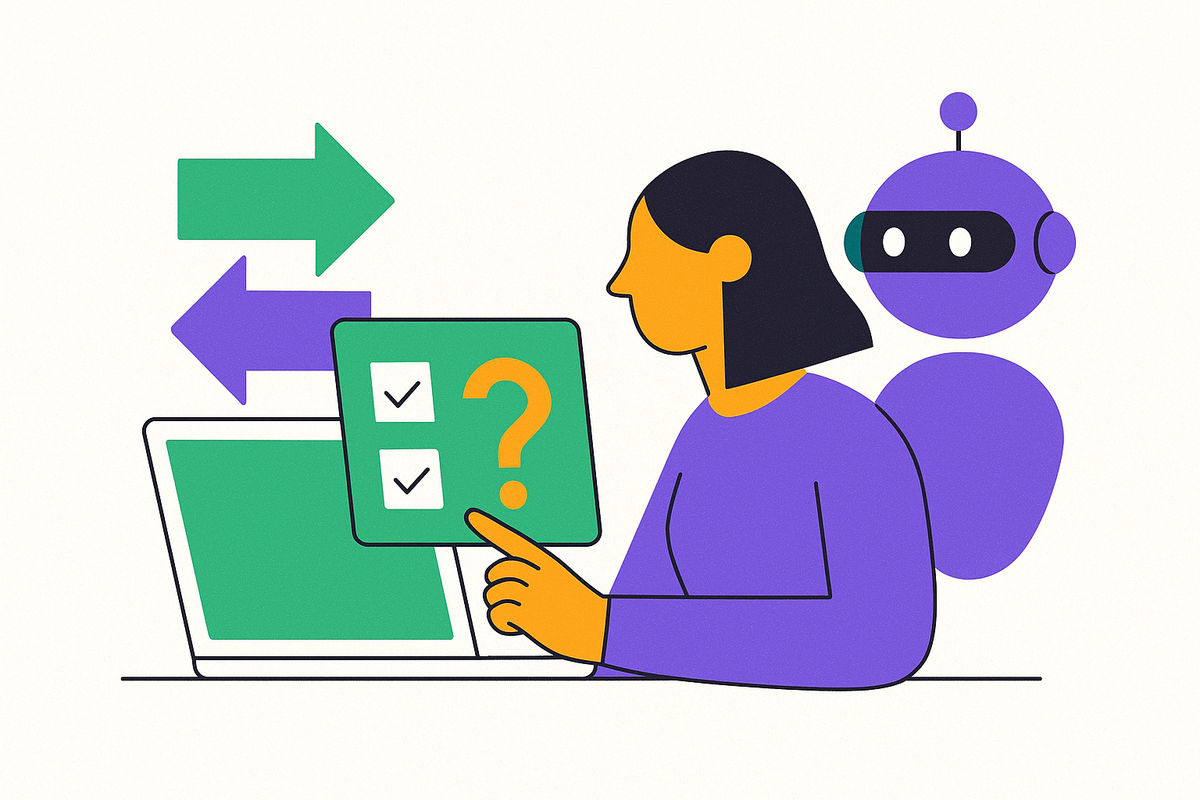
Effective human-AI teams succeed only when collaboration patterns fit the decision type.
Piotr Whitaker
Staff Writer
Piotr Whitaker covers human-ai collaboration, personal productivity and ai consumer models for Personal Intelligen.
14 stories
Effective human-AI teams succeed only when collaboration patterns fit the decision type.
AI drafts better OKRs, but judgment calls still require humans.
AI saves office workers roughly 5.6 hours weekly on email, scheduling, and expenses.
ChatGPT's memory hit 82.8% accuracy in 2026, while most no-code platforms still lag behind.
Persistent memory separates AI tools people abandon from ones they actually keep using.
Understanding why standard routines fail ADHD brains and how to build ones that stick.
Understanding why you freeze on tasks—and which fix targets your specific breakdown.
Engineers are building external memory systems so AI remembers you between chats.
How AI assistants handle unclear instructions determines whether they save you time or waste it.
Transformers are an architectural blueprint; LLMs are trained systems built on top of them.
Adults face structural barriers to learning, not just scheduling problems.
AI handles the background work so you can focus on actual decisions.
Threat-detection systems built for survival make poor boardroom judges.
Personal context helps AI understand your goals and constraints, not track your behavior for ads.